
Machinery & Ag-Tech Watch: Virtual Fencing Goes Live, and Electric Tractors Are Officially on the Way
Two genuinely new pieces of machinery and technology news are worth your attention this fortnight — one already running on a real Victorian farm with real numbers attached, and one still on the way but officially confirmed for this year. Both are a reminder that a lot of the ag-tech that sounded futuristic even two or three years ago is now either regulated, funded, or sitting on a dealer's order book.
Virtual Fencing Is Now Legal in Victoria — and One Farmer's Already Seeing Big Results
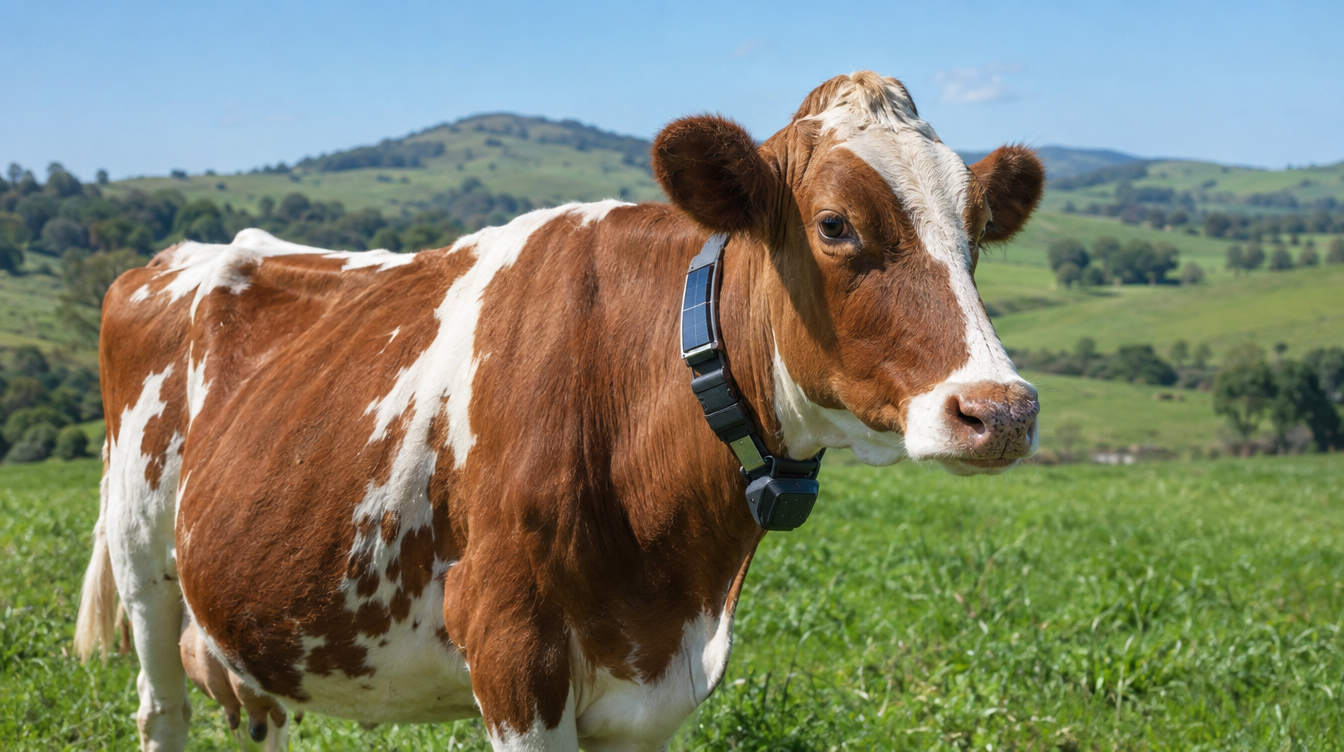
In December 2025, the Victorian Government changed the regulations under the Prevention of Cruelty to Animals Act 1986 to allow virtual fencing technology for cattle. According to the Premier's announcement, the system works through GPS-enabled, solar-powered smart collars that use audio tones, vibration and mild electronic cues to guide cattle within boundaries set on a mobile app — while also tracking each animal's location and health. Farmers using approved systems still need to keep a physical boundary fence, complete manufacturer training, and check collars regularly, and Minister for Agriculture Ros Spence said the goal was "striking the right balance between farm productivity and animal welfare."
The results are already showing up on real farms. Stock & Land reported in March 2026 that Ross Anderson of Anderlea Dairy in Denison, Gippsland, was the first Victorian farmer to adopt the Halter virtual fencing system since it became legal. His cattle learned to respond to the collar cues within days, and he removed his backup physical fence by day five. He reported labour savings of up to 40 hours a week, an 8% increase in pasture production, and a 13% lift in pre-tax farm profit — while freeing up staff time for what he called "more rewarding jobs" like managing fertiliser and irrigation timing.
On cost, the same report put the Halter system at roughly $8 per dairy cow per month or $10 per beef cow per month on a subscription basis, plus connectivity towers costing around $6,000–$7,000 each (Anderson installed three of them in about 90 minutes). It's a single, detailed case study rather than an industry-wide average, so treat those productivity figures as one farm's real results rather than a guaranteed outcome — but they're a solid illustration of what the newly legal technology can do when it's implemented well.
Halter isn't the only company in this space, and now that the regulation has changed, expect more manufacturers to seek approval for cattle collar systems in Victoria over the coming year — so it's worth comparing more than one option before committing to a subscription. Also worth noting: the current approval only covers cattle. If you're running sheep, goats or other livestock, using electronic collars still requires a scientific licence and Animal Ethics Committee approval, so virtual fencing isn't yet a straightforward off-the-shelf option outside cattle operations.
Electric, Autonomous Tractors Confirmed for Australia This Year
On the machinery side, John Deere has confirmed that autonomous, battery-electric tractors will officially launch in Australia by September 2026, according to a report from Deere dealership Hutcheon & Pearce. The machines are being developed with battery technology from Kreisel, a company John Deere holds a majority stake in, and will undergo extensive testing in Australian conditions — including checking connectivity and electrical infrastructure — before release.
Initially, these tractors are being aimed at high-value crop production and horticulture operations, where sustainability targets and existing farm infrastructure make the switch to battery power more practical right now. According to Deere's own production system manager, the pitch is lower emissions, lower total cost of ownership, reduced maintenance complexity, better uptime, and a quieter machine to operate — with electrification also making it easier to layer autonomous driving capability on top, since electric control systems integrate more easily with self-driving technology.
Importantly, John Deere has been clear that battery-electric models are expanding their range rather than replacing diesel tractors outright — so if horticulture and high-value cropping aren't your operation, don't expect your next new tractor purchase to be forced electric any time soon. But if you're in a sector where this applies, it's worth talking to your local dealer now about expected timing and pricing before the local launch, since testing and rollout details will likely firm up over the coming months.
One practical thing worth thinking through ahead of any electric machinery purchase, whichever brand you end up going with, is charging infrastructure. A battery tractor is only as useful as your ability to keep it charged between jobs, and depending on your property's power supply and layout, that might mean upgrading three-phase power or installing a dedicated charging setup before the tractor itself ever turns a wheel. It's the kind of cost that's easy to overlook when you're comparing sticker prices, so factor it into any early conversations with your dealer.
References
● Premier of Victoria — "Victoria Gives Virtual Fencing The Green Light" —
https://www.premier.vic.gov.au/victoria-gives-virtual-fencing-green-light
● Stock & Land — "'A game changer': meet the first Victorian farmer to adopt virtual fencing" https://www.stockandland.com.au/story/9180929/gippsland-dairy-farmer-first-to-adopt-new-virtual-fencing-tech/
● Hutcheon & Pearce (John Deere dealer) — "Electric Tractors Are Coming To Australia" —https://www.hutcheonandpearce.com.au/newsroom/electric-tractors-are-coming-to-australia-in-3-years/
Want more like this? See all our available blog posts at MyFarmHQ.com.au.